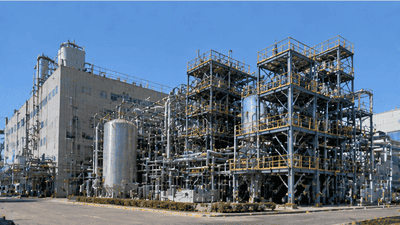
The semiconductor industry is often associated with famous chip designers, leading foundries, and advanced equipment manufacturers. Companies developing processors, memory chips, and lithography systems frequently receive global attention because their products directly influence technology trends. However, behind every advanced semiconductor device exists a complex ecosystem of specialized material suppliers that quietly enable the entire industry.
These companies are often described as "small and beautiful" hidden champions. They may not have the global recognition of major semiconductor corporations, yet they possess highly specialized technologies, strong customer relationships, and critical market positions. Many operate in narrow segments of semiconductor materials where technical barriers are extremely high and competition is limited.
From high-purity chemicals and photoresists to silicon carbide substrates, semiconductor gases, polishing materials, and advanced packaging materials, these hidden champions form the foundation of modern chip manufacturing. As semiconductor supply chains become increasingly strategic, the importance of these specialized material companies is growing rapidly.
The Strategic Importance of Semiconductor Material Champions
Semiconductor manufacturing depends on thousands of individual processes and hundreds of specialized materials. While advanced equipment often receives the most attention, materials determine whether manufacturing processes can achieve the required precision, reliability, and yield.
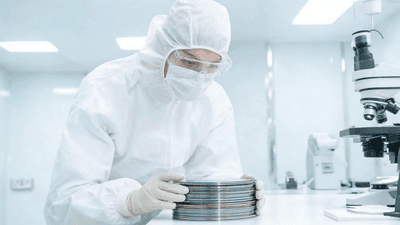
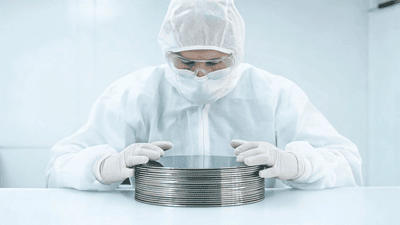
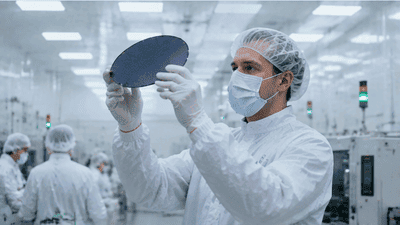
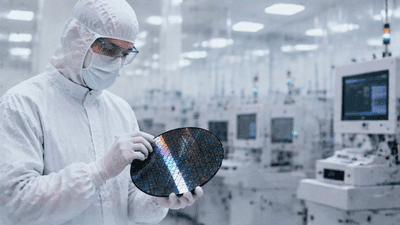
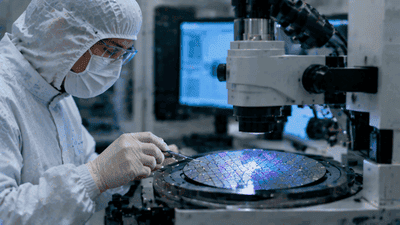
A semiconductor wafer may pass through hundreds of production steps involving cleaning chemicals, deposition materials, photoresists, gases, polishing compounds, and packaging materials. Any inconsistency in these materials can reduce production efficiency or damage expensive wafers.
This creates extremely high entry barriers for semiconductor material suppliers. Companies must achieve ultra-high purity, stable performance, and long-term reliability before gaining approval from major chip manufacturers.
Because qualification cycles can last several years, successful material suppliers often develop strong competitive advantages. Once integrated into customer production lines, these companies frequently maintain long-term partnerships and stable revenue streams.
High-Purity Chemical Suppliers: The Foundation of Chip Manufacturing
Electronic-grade chemicals represent one of the most important categories of semiconductor materials. These chemicals are used in wafer cleaning, etching, deposition, and other critical manufacturing processes.
The difference between industrial chemicals and semiconductor-grade chemicals is enormous. Semiconductor materials require extremely low levels of contamination, often measured in parts per billion. Even tiny amounts of metallic impurities can create defects in advanced chips.
Hidden champions in this sector focus on purification technology, contamination control, and customized chemical formulations. Their competitive advantage comes from years of manufacturing experience and close cooperation with semiconductor fabs.
As semiconductor production expands globally, demand for high-purity chemicals continues increasing. The growth of artificial intelligence chips, automotive semiconductors, and advanced packaging technologies further strengthens the importance of these suppliers.
Photoresist Companies: Small Markets With High Technical Barriers
Photoresist materials are among the most technologically demanding semiconductor materials. They are essential for lithography, the process used to transfer circuit patterns onto semiconductor wafers.
Although photoresist represents a relatively small portion of semiconductor manufacturing costs, its importance is extremely high. A poor-quality photoresist can directly affect pattern accuracy, yield, and chip performance.
The global photoresist market has historically been dominated by a small number of specialized companies. Their advantages come from deep chemical expertise, advanced formulation technology, and long-term collaboration with semiconductor manufacturers.
Hidden champions in photoresists often succeed because they focus on specific applications, such as advanced logic chips, memory manufacturing, packaging processes, or mature semiconductor technologies.
Electronic Specialty Gas Leaders
Semiconductor gases are another example of hidden champions operating behind the scenes. Manufacturing processes such as etching, deposition, and cleaning require extremely pure gases with precise chemical properties.
Specialty gases used in semiconductor manufacturing include fluorine-based gases, nitrogen compounds, hydrogen-related gases, and other highly controlled materials.
The challenge is not simply producing these gases but ensuring consistent purity, stable supply, and reliable delivery to semiconductor factories.
Because semiconductor fabs operate continuously, supply interruptions can result in significant production losses. This creates strong demand for reliable specialty gas suppliers with advanced purification and distribution capabilities.
Silicon Wafer and Advanced Substrate Specialists
Silicon wafers remain the foundation of semiconductor manufacturing, but advanced applications increasingly require specialized substrates.
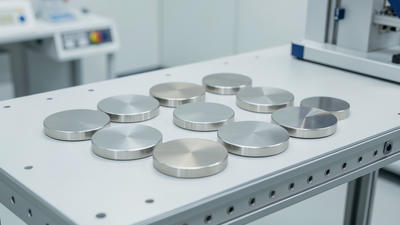
Companies producing silicon carbide (SiC), gallium nitride (GaN), and other compound semiconductor substrates are becoming increasingly important due to the growth of electric vehicles, renewable energy systems, and high-frequency communication technologies.
These companies often operate in highly specialized markets where technical expertise matters more than production volume. Producing high-quality semiconductor substrates requires advanced crystal growth technology, defect control, and precision processing.
The market opportunities are significant because next-generation power electronics and communication systems require materials that outperform traditional silicon.
CMP Materials: The Importance of Surface Perfection
Chemical mechanical polishing (CMP) is a critical semiconductor manufacturing process used to create extremely flat wafer surfaces. CMP materials include polishing pads and slurry chemicals that remove microscopic surface irregularities.
As semiconductor structures become smaller, surface precision requirements become increasingly strict. Even tiny imperfections can affect lithography accuracy and chip performance.
Companies specializing in CMP materials often have strong technological advantages because their products are deeply integrated into semiconductor manufacturing processes.
Their success demonstrates an important characteristic of semiconductor hidden champions: they may operate in narrow markets, but their technologies are essential to the entire industry.
Advanced Packaging Material Specialists
The semiconductor industry is moving beyond traditional transistor scaling. Advanced packaging technologies, including chiplets, 2.5D integration, and 3D stacking, are becoming increasingly important for artificial intelligence and high-performance computing applications.
This transition is creating new opportunities for specialized material suppliers.
Advanced packaging requires high-performance substrates, bonding materials, thermal management solutions, and specialized polymers. These materials must support higher computing density while maintaining reliability.
Companies developing these materials are becoming strategic partners for semiconductor manufacturers because packaging technology increasingly determines system performance.
Why These Hidden Champions Maintain Strong Competitive Advantages
Many semiconductor material companies share several common characteristics that help them maintain leadership positions.
First, they operate in technically demanding markets with high barriers to entry. New competitors cannot easily replicate decades of research experience and manufacturing knowledge.
Second, they maintain close relationships with customers. Semiconductor manufacturers often work with material suppliers for years to optimize processes and improve yields.
Third, these companies frequently focus on specialized niches rather than competing in broad commodity markets. Their products may represent a small market segment, but they often achieve strong profitability because of their unique capabilities.
The Role of Supply Chain Resilience
Recent semiconductor supply chain disruptions have highlighted the importance of material security. Governments and companies worldwide are seeking more diversified and reliable semiconductor supply chains.
This trend creates opportunities for hidden champions in semiconductor materials. Companies that can provide stable supply, advanced technology, and regional manufacturing capabilities are becoming increasingly valuable.
Supply chain resilience is no longer only about producing more chips. It also requires secure access to the materials that make chip production possible.
Investment Opportunities in Semiconductor Materials
For investors, semiconductor material companies offer exposure to long-term technology trends beyond traditional chip manufacturers.
While major semiconductor companies often experience cyclical market fluctuations, specialized material suppliers may benefit from structural growth driven by technology advancement.
Artificial intelligence, electric vehicles, renewable energy, and advanced computing all require increasingly sophisticated semiconductor materials.
However, evaluating these companies requires understanding technical capabilities, customer relationships, manufacturing quality, and market positioning rather than focusing only on revenue growth.
Challenges Facing Semiconductor Material Champions
Despite their advantages, semiconductor material companies face several challenges.
Technology requirements continue becoming more demanding. Materials that support current semiconductor processes may become insufficient for future generations of chips.
Companies must continuously invest in research and development to maintain technological leadership.
Competition is also increasing as countries attempt to develop domestic semiconductor supply chains. New entrants supported by government investment may challenge existing suppliers.
Additionally, semiconductor cycles can affect demand. Material companies must manage capacity expansion carefully to avoid excessive investment during temporary market peaks.
Future Outlook: The Growing Importance of Invisible Semiconductor Leaders
The future semiconductor industry will depend not only on famous chip companies but also on thousands of specialized suppliers providing essential technologies.
As chips become more advanced, materials will play an increasingly important role in determining manufacturing success. Smaller feature sizes, higher power efficiency, and greater integration all require improved materials.
The hidden champions of semiconductor materials will continue benefiting from this trend because their expertise becomes more valuable as technology complexity increases.
These companies may remain relatively unknown to the public, but their influence on the semiconductor ecosystem will continue expanding.
Conclusion
The semiconductor industry's most important companies are not always the most visible ones. Behind every advanced processor, memory chip, and electronic device exists a network of specialized material suppliers that enable technological progress.
The "small and beautiful" hidden champions of semiconductor materials succeed through deep expertise, strong customer relationships, and highly specialized technologies. From high-purity chemicals and photoresists to advanced substrates and packaging materials, these companies form the foundation of global semiconductor innovation.
As the semiconductor industry enters a new era driven by artificial intelligence, electrification, and advanced computing, the strategic value of these hidden champions will continue increasing. Their technologies may remain invisible to consumers, but their role in shaping the future of electronics is becoming more important than ever.